A gap year in France is a highly effective way to learn French naturally and confidently. By taking regular language classes (around 15–20 hours per week), living in a French-speaking environment, and practicing the language in everyday situations, you can improve your speaking skills much faster while experiencing real French culture and daily life.
What Does a Gap Year in France Involve?
A gap year is a planned break, usually taken after high school or university, where you focus on learning, personal growth, and new experiences.
Spending your gap year in France means you’re not just studying French; you’re living it every day. You attend language classes, interact with locals, and experience the culture in real-life situations.
Who is it for?
A gap year in France is ideal for:
- Students taking a break before or after university
- Recent graduates looking to build skills and international experience
- Career breakers or professionals wanting a change or new direction
During this time, you can:
- Improve your French through daily immersion
- Experience authentic French culture and lifestyle
- Become more independent and confident
- Add valuable international experience to your studies or career
Unlike learning in a classroom at home, being in France pushes you to use French in everyday life, from ordering food to having conversations, which helps you become fluent faster and more naturally.

How to Spend a Gap Year in France Learning French
Step 1: Choose the Right French Learning Program
Your experience in France largely depends on the type of program you choose. The right option should match your learning goals, budget, and preferred level of structure.
- Structured Gap Year Programs (All-in-One Experience)
Organizations like CIEE offer fully organized gap year programs designed for international students.
These typically include:
- Around 15–20 hours of French classes per week
- Homestay with a local French family
- Cultural activities and excursions
- Optional college credit opportunities, especially in cities like Paris
This is a great choice if you want a guided experience with everything arranged for you.
- Independent Language Schools (Flexible, Personalized & Intensive Options)
Independent language schools are a good choice if you want a flexible way to learn French in France with more personal attention.
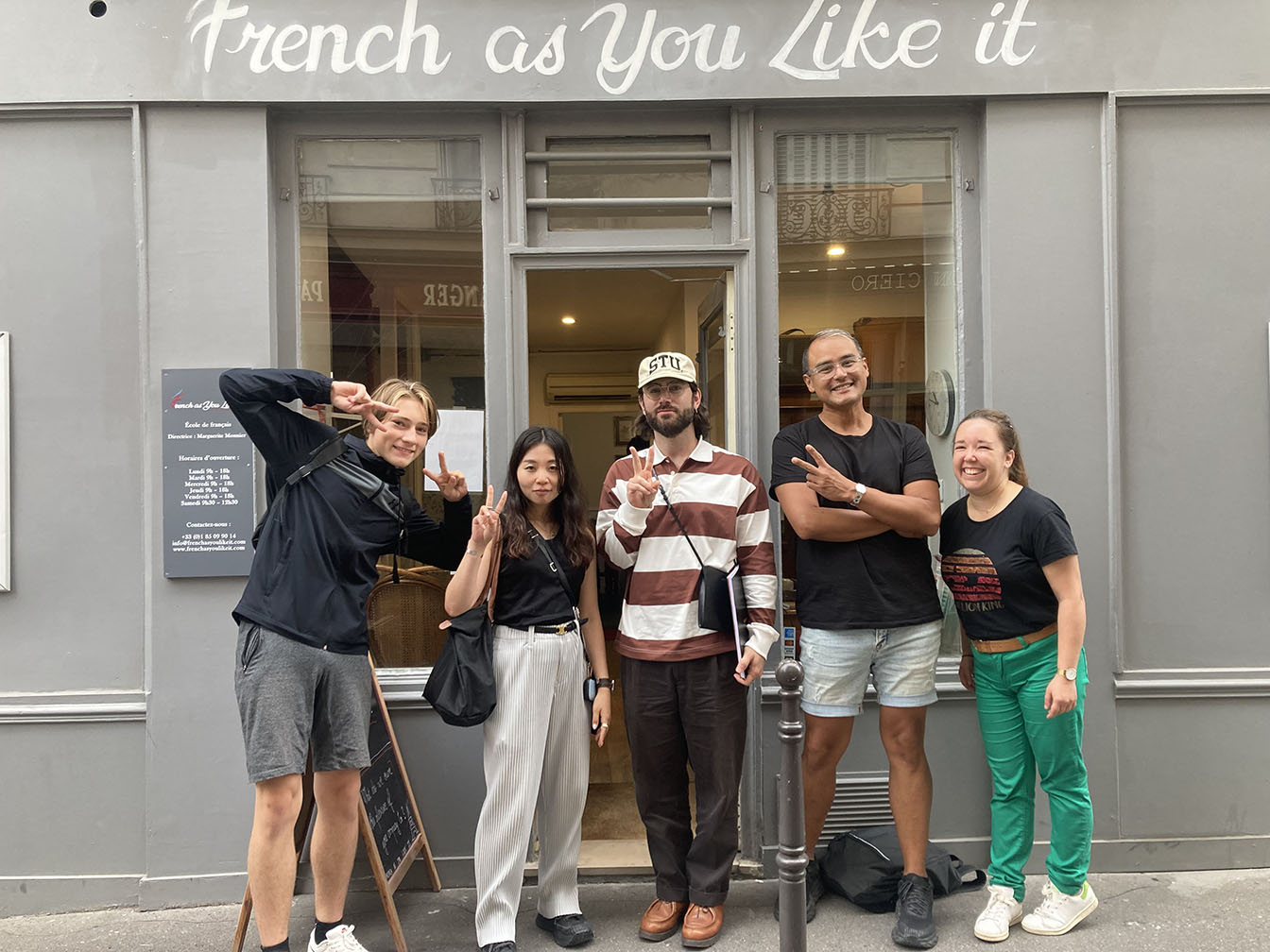
French Language School such as French As You Like It offer different learning formats small group classes, private lessons, depending on how fast and intensively you want to study. If you want to learn at your own pace while still getting structured support.
Typical features include:
- Small class sizes for more speaking practice
- Flexible schedules throughout the year
- Lessons adapted to your level and learning goals
Learning Options Available
You can choose from different formats depending on your needs:
- Private French lessons is best for fully personalized learning and fast progress with one-to-one attention.
- Small group French lessons ideal for interactive learning in a social environment with guided support.
- Alongside flexible lessons, they also offer intensive programs designed for faster progress through frequent classes and deeper immersion in daily French usage.
This makes it a suitable option whether you want a relaxed learning pace or a more intensive, fast-track experience depending on your gap year goals.
Step 2: Decide Where to Study in France
Different cities offer different advantages, so it helps to choose based on your personal goals.
- Paris → Best for culture, networking, and access to a wide range of language schools and activities
- Montpellier → Great for full immersion with fewer English speakers around
- Lyon → A balanced option with authentic French culture and a manageable city pace
- Nice → Relaxed coastal lifestyle with a friendly learning environment
In general, smaller cities often help you practice French more consistently because you rely less on English. Bigger cities like Paris offer more opportunities, but you may hear more English in daily life.
Step 3: Choose Accommodation for Full Immersion
The more you interact with locals in daily life, the faster your progress will be.
Homestay (Highly Recommended)
Living with a French family is one of the most effective ways to learn the language because you:
- Speak French in everyday situations
- Learn natural expressions used by locals
- Experience French culture firsthand
Student Housing
- You live with other international students
- It’s more independent and social
- Less immersive, but comfortable and supportive
Shared Apartments
- More affordable option
- Flexible living arrangement
- Works best if you live with French speakers
Step 4: Plan Your Weekly Routine
A simple and consistent routine helps you improve your French steadily during your gap year.
A typical week might look like this:
- 15–20 hours of French classes
- Cultural activities like museums, markets, and local events
- Daily conversations with locals or classmates
- Weekend trips to explore other parts of France
Step 5: Combine Learning with Real-Life Experiences
To get the most out of your time in France, it’s important to use French outside the classroom as much as possible.
You can do this by:
- Traveling across different regions to hear various accents and dialects
- Attending local festivals and community events
- Volunteering or joining local activities
- Practicing French in everyday situations like cafés, shops, and public transport
Is a Gap Year in France Worth It?
A gap year in France is definitely worth it if your main goal is to learn French in a natural and practical way while experiencing a new culture.
Unlike classroom learning, you are surrounded by the language every day, which helps you improve faster and speak more confidently. When you combine a good program, regular practice, and real-life interaction with locals, your progress becomes steady and noticeable.
Along the way, you also gain more than just language skills—you build independence, confidence, and real international experience that can support your studies or career in the future.
How to Become Fluent Faster During Your Gap Year
To improve faster, focus on simple but consistent habits:
- Speak French every day, even if you make mistakes
- Spend time with native speakers as much as possible
- Try to avoid switching back to English in daily situations
- Listen to French regularly through podcasts, conversations, or media
The most important factor is consistency. When you use French daily in real situations, your understanding and confidence improve naturally over time.
A gap year in France is one of the most effective ways to learn French through real-life experience. With the right program, consistent practice, and daily immersion, you can build strong language skills while also gaining valuable cultural and personal growth.